





The New Visual Standard for Broadcast in the Middle East
As the region’s broadcast and media community prepares to convene at CABSAT 2026, attention is once again turning to the technologies redefining how content is produced, managed, and experienced. Scheduled from 5–7 October at the Dubai World Trade Centre, the exhibition remains a key touchpoint for broadcasters, system integrators, and technology providers shaping the future of the industry across the Middle East.
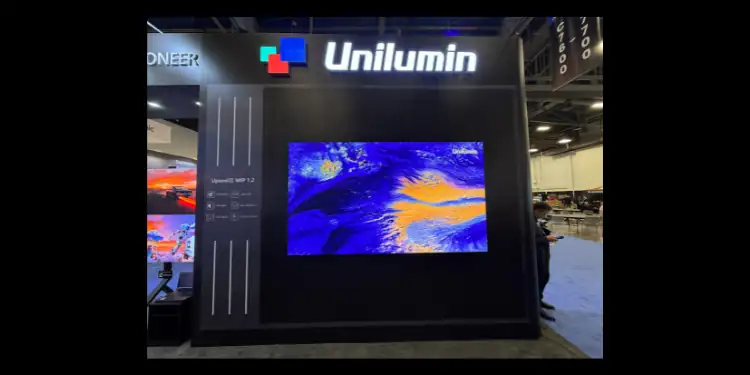
In partnership with Qvest, Unilumin will be present at the Qvest booth—offering visitors a closer look at how advanced LED display solutions are being integrated into contemporary broadcast environments.
A New Phase of Broadcast Transformation in the Middle East Driven by LED
Across major broadcast and media markets in the Middle East, including Dubai, Riyadh, and Doha, the broadcast industry is rapidly evolving, driven by infrastructure investment, premium content production, and rising audience expectations for ultra-high-definition, immersive experiences. As studios demand greater flexibility and visual precision, and control rooms handle increasingly complex real-time data, display technology has shifted from a supporting tool to a core component of both operational efficiency and on-screen impact.
In this context, the limitations of traditional display systems—particularly in scalability, viewing angles, colour consistency, and maintenance—are accelerating the adoption of fine-pitch LED solutions. With seamless visuals, high refresh rates, superior brightness and contrast control, and flexible design, LED technology is becoming essential to meeting modern broadcast requirements while ensuring long-term performance and reliability.
Engineering for Studio and Control Room Demands
Across today’s broadcast environments, visual performance, reliability, and operational continuity are all essential. From content production to live broadcasting and professional display applications, LED solutions need to deliver consistent image quality while supporting the demanding requirements of day-to-day broadcast operations.
Technologies such as Micro LED in Package (MIP) are enabling a new level of visual precision, with enhanced colour accuracy, deeper contrast, and improved uniformity. The Upanel II series is developed with these considerations at its core, helping broadcast teams achieve consistent, high-quality visuals while maintaining viewer comfort during extended production cycles.
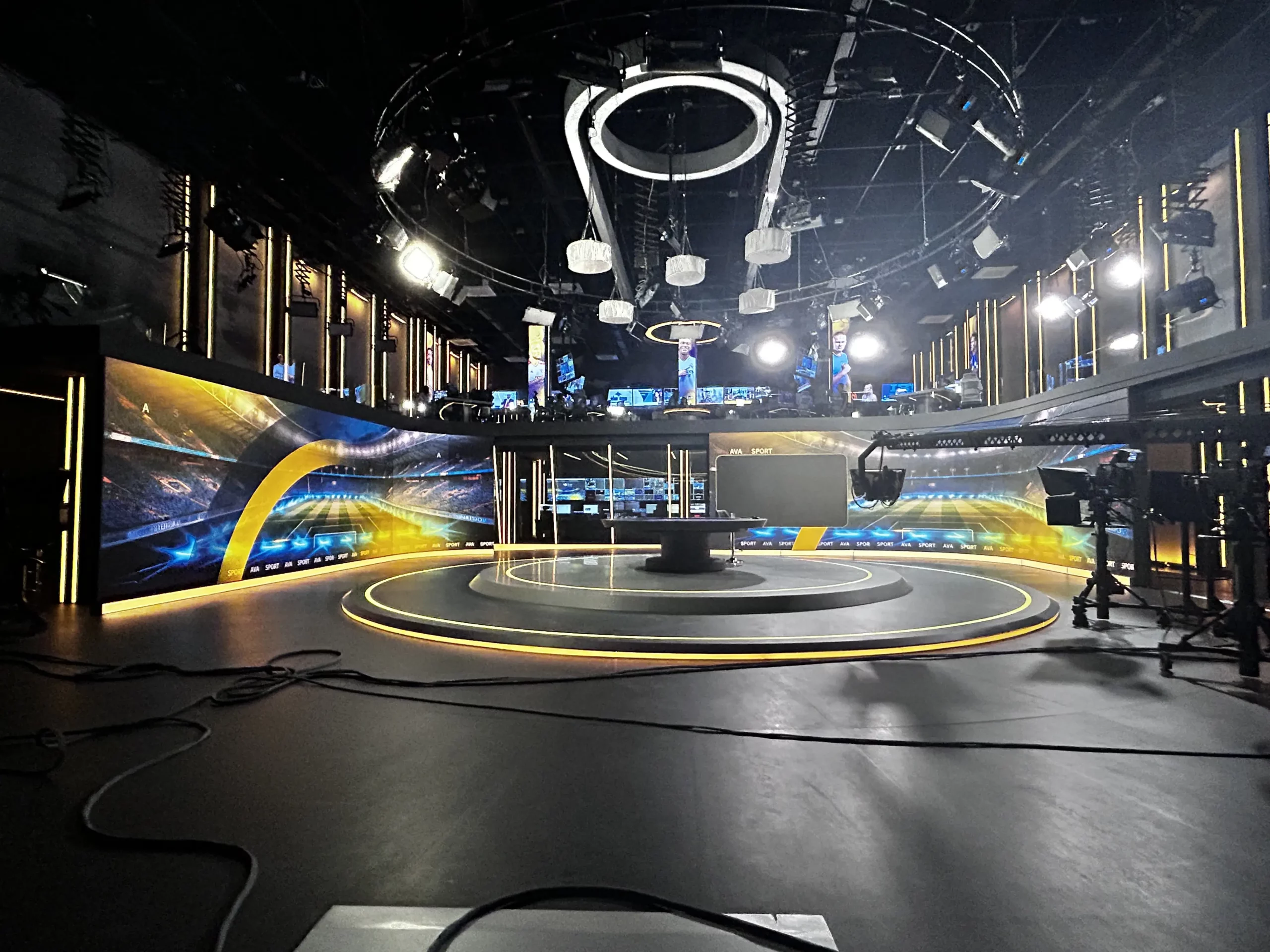
At the same time, reliability and system continuity remain critical across professional broadcast applications, particularly where uninterrupted operation is essential. The ULW III series combines tight system integration, front maintenance access, and backup capabilities to support stable, efficient operation and help broadcast teams maintain performance even under demanding conditions.
A Trusted Presence Across Regional Broadcasters
Unilumin’s track record in the region’s broadcast studios goes back further than this year’s show. During the 2022 World Cup in Qatar, the company supplied professional display solutions for China Media Group’s frontline broadcast hall and upgraded studios for Qatar-based Al Araby TV, setting a benchmark at the time for tournament-grade, high-definition display performance. In 2024, it delivered the Al Mashhad Studio project in Dubai, with multi-format display solutions tailored to professional content production. And in 2025, the company moved into the Iraqi market, deploying broadcast-grade studio displays for both Shams TV and AVA TV in Erbil.
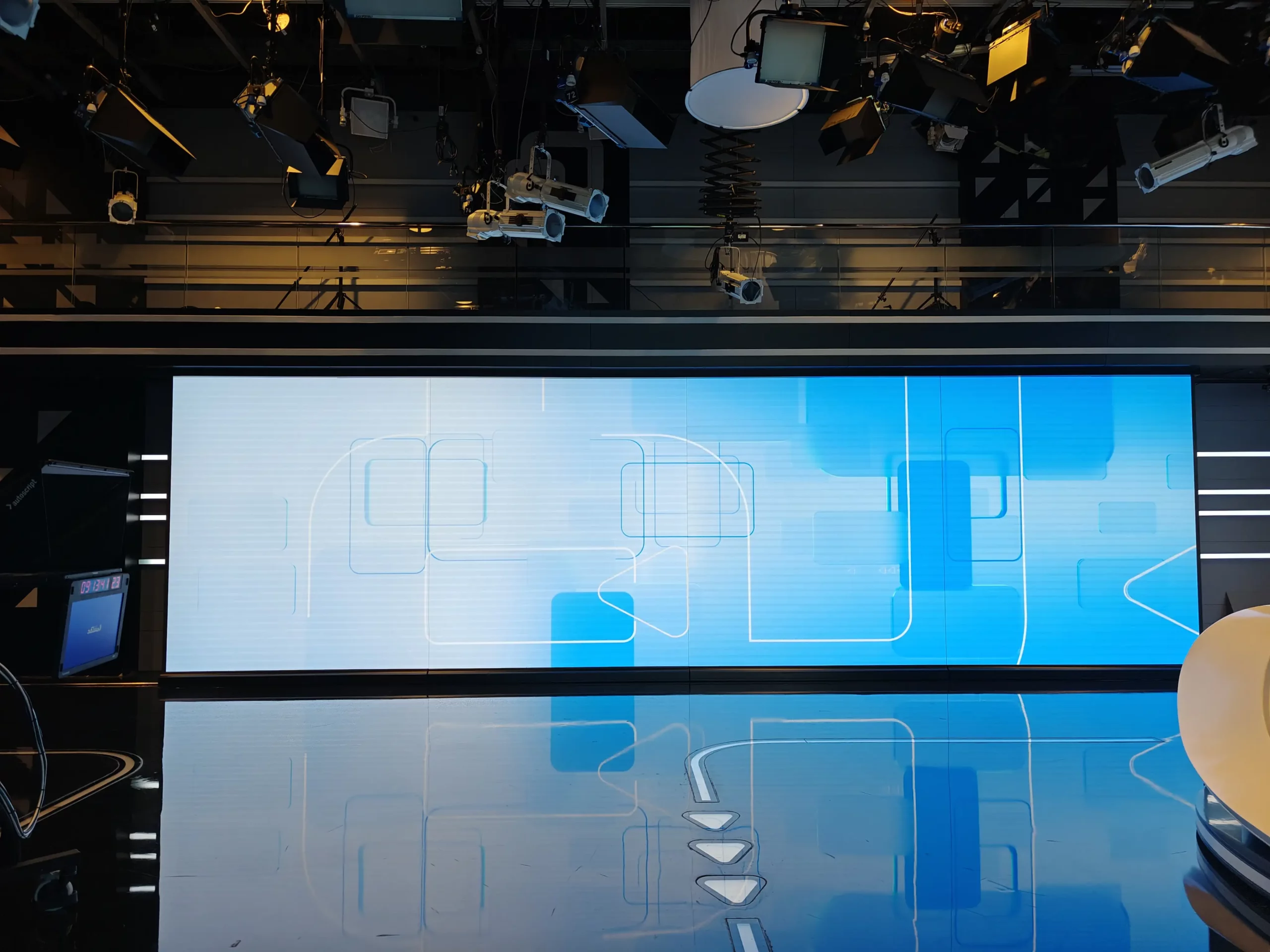
The company’s regional reference list also spans some of the Middle East’s most recognised newsrooms and entertainment studios, including Al Jazeera Mubasher’s STD1 studio in Doha, Bloomberg’s bureau in Dubai, Sky News Arabia’s new YAS Studios in Abu Dhabi, Abu Dhabi Media Corporation’s Studio 5, and Kuwait TV.
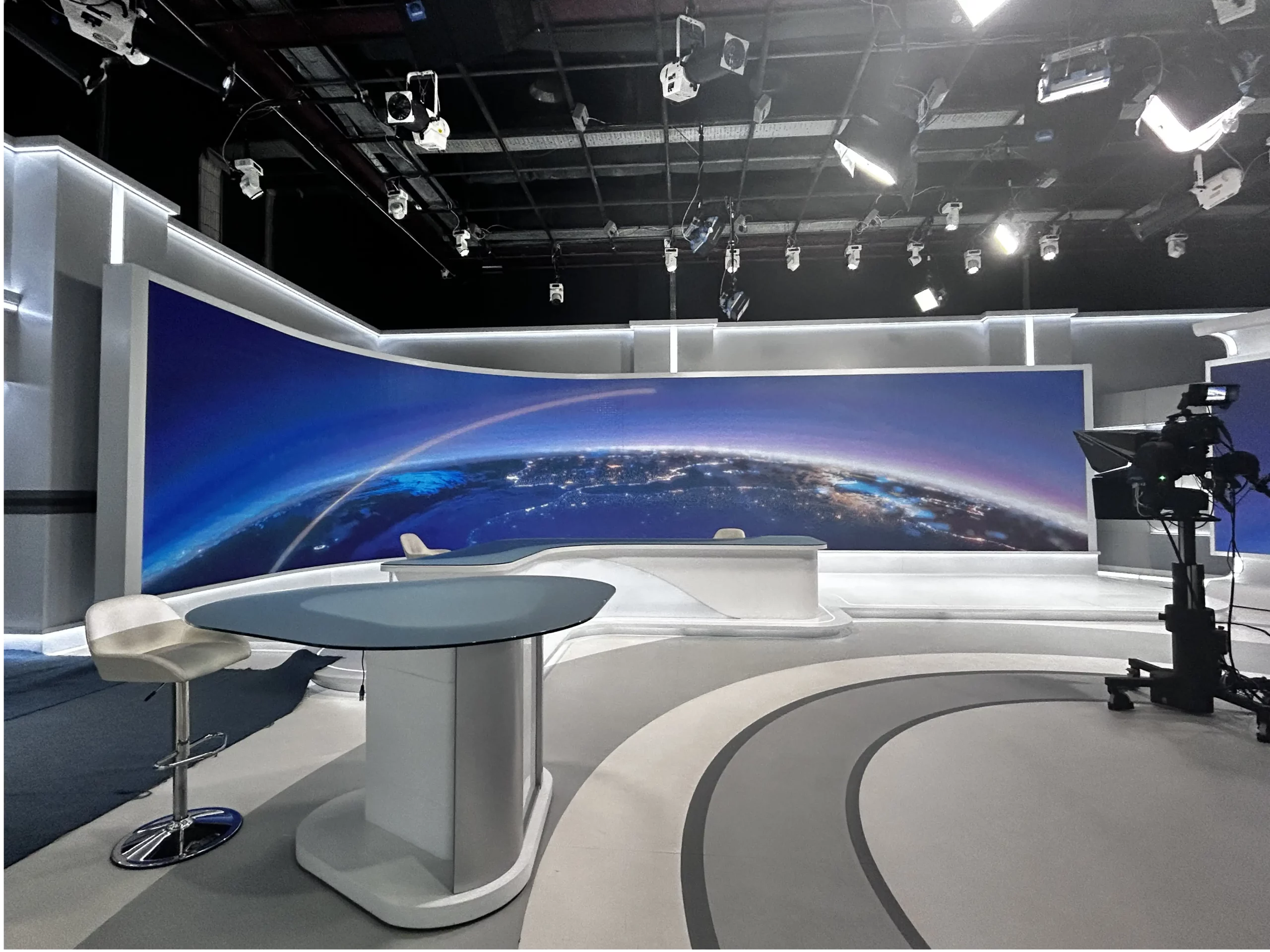
Taken together, these projects — from flagship studios to national broadcasters like Saudi TV, MBC, and Dubai TV — point to a broader shift toward LED as the default display technology, driven not just by how it looks, but by the reliability, scalability, and operational efficiency it brings.
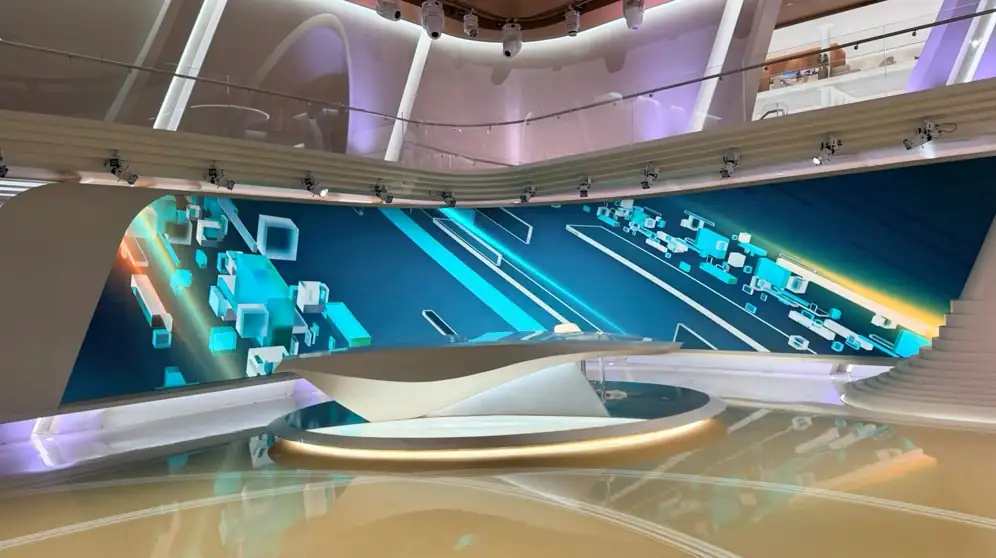
Shaping the Future of Broadcast Environments
The bar keeps rising. As production techniques advance, control rooms handle more real-time data, and audiences expect more from every broadcast, the demands on visual infrastructure are only getting more sophisticated — and that’s reshaping how broadcast spaces get designed and run.
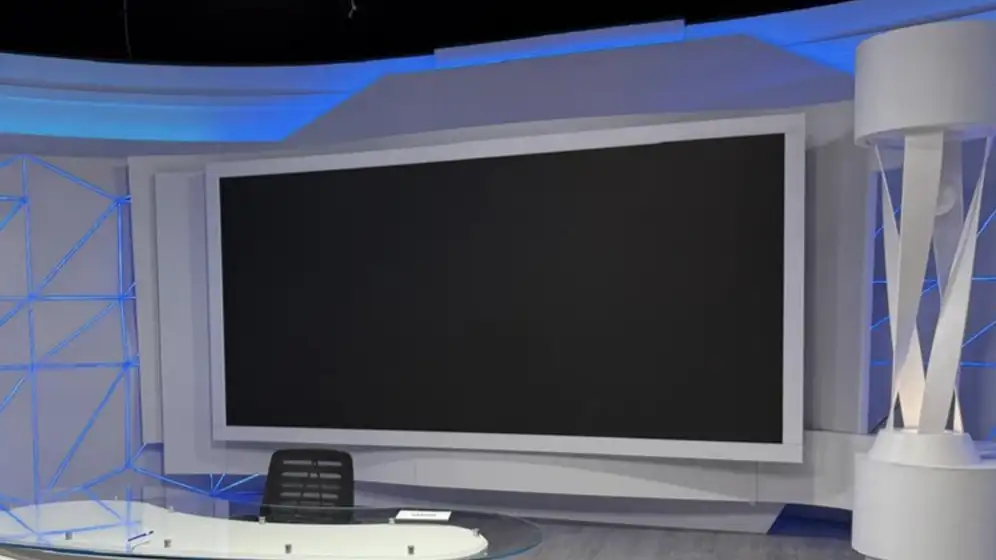
For broadcasters in the region, it’s no longer just about upgrading equipment. It’s about investing in systems built to adapt to whatever workflow comes next, without giving up consistent performance now.
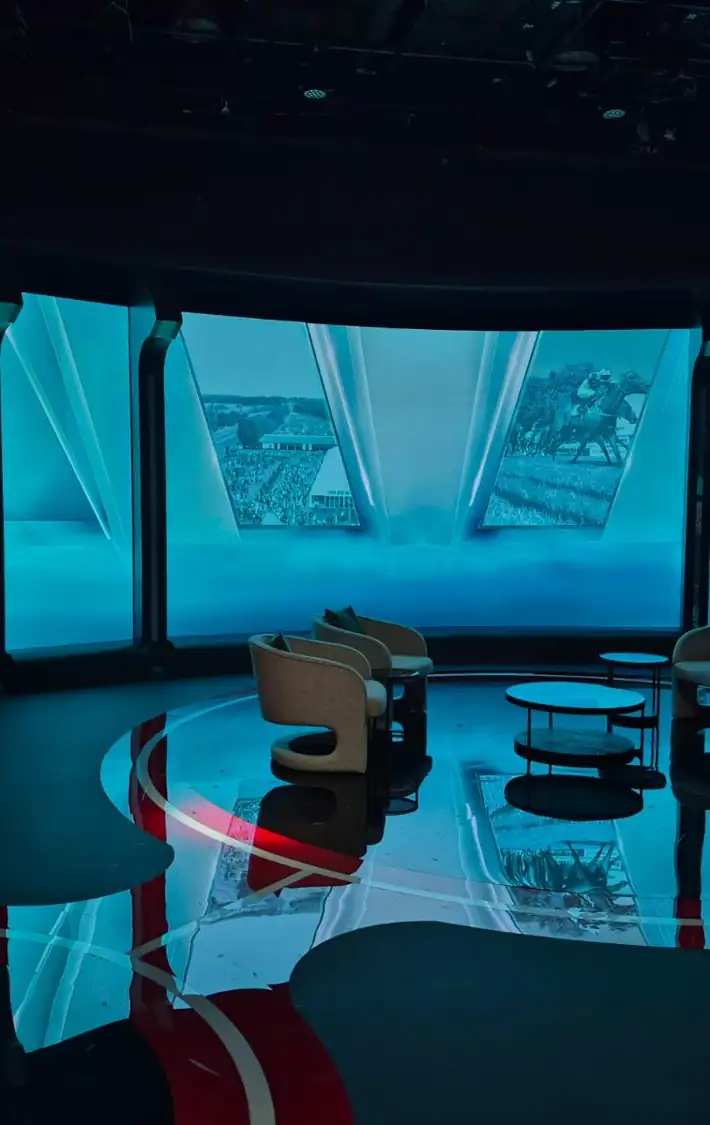
Events like CABSAT 2026 give the industry a chance to see where things are heading firsthand. Visitors to the Qvest booth can see how these technologies are already being put to work in real broadcast environments — and get a sense of what’s next for the region’s fast-moving media landscape.
For more information about broadcast room products, click here.