




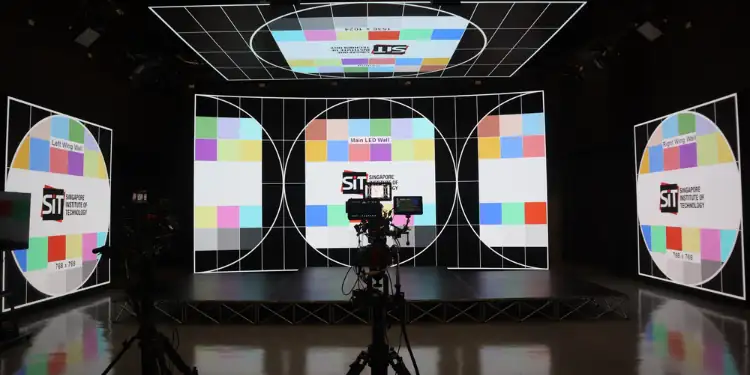
The Singapore Institute of Technology (SIT) is redefining communications and media in business education with the launch of its flagship virtual production (VP) studio—an advanced facility that merges cinematic performance with practical, student-centric workflows.
Designed as both a training ground and a reference-grade production environment, the studio reflects the growing convergence of media, technology, and education with business applications, reinforcing SIT’s applied learning approach to meet Singapore’s evolving business operations, data analytics, PR and marketing landscape.
A Timely Investment in Virtual Production
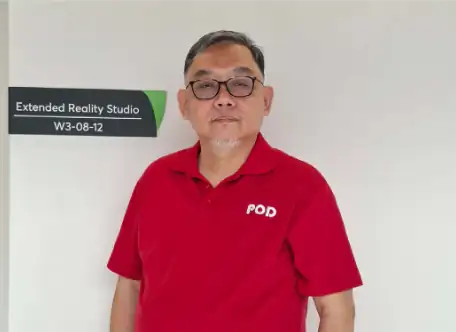 SIT’s transition to its new centralised campus in Punggol Digital District provided the university with an opportunity to enhance its teaching and learning environments, including the creation of the VP studio. This shift into LED-based virtual production arrives at a crucial juncture for the industry.
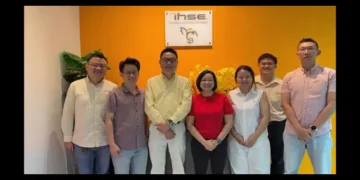
According to Leong Mun Wai, Senior Professional Officer at SIT (pictured), the decision was closely aligned with national and industry developments.
“Virtual production is now a recognised skills area in Singapore’s refreshed Skills Framework for Media, alongside generative AI,” he explained. “With IMDA actively funding VP capability-building and apprenticeships, it was the right time to align our teaching environment with how content is increasingly produced locally for business operations and strategic branding.”
This forward-looking approach supports SIT’s broader mission as Singapore’s first university of applied learning, which bridges academic theory with real-world industry practice.
Engineering a Cinematic LED Volume for Business Operations
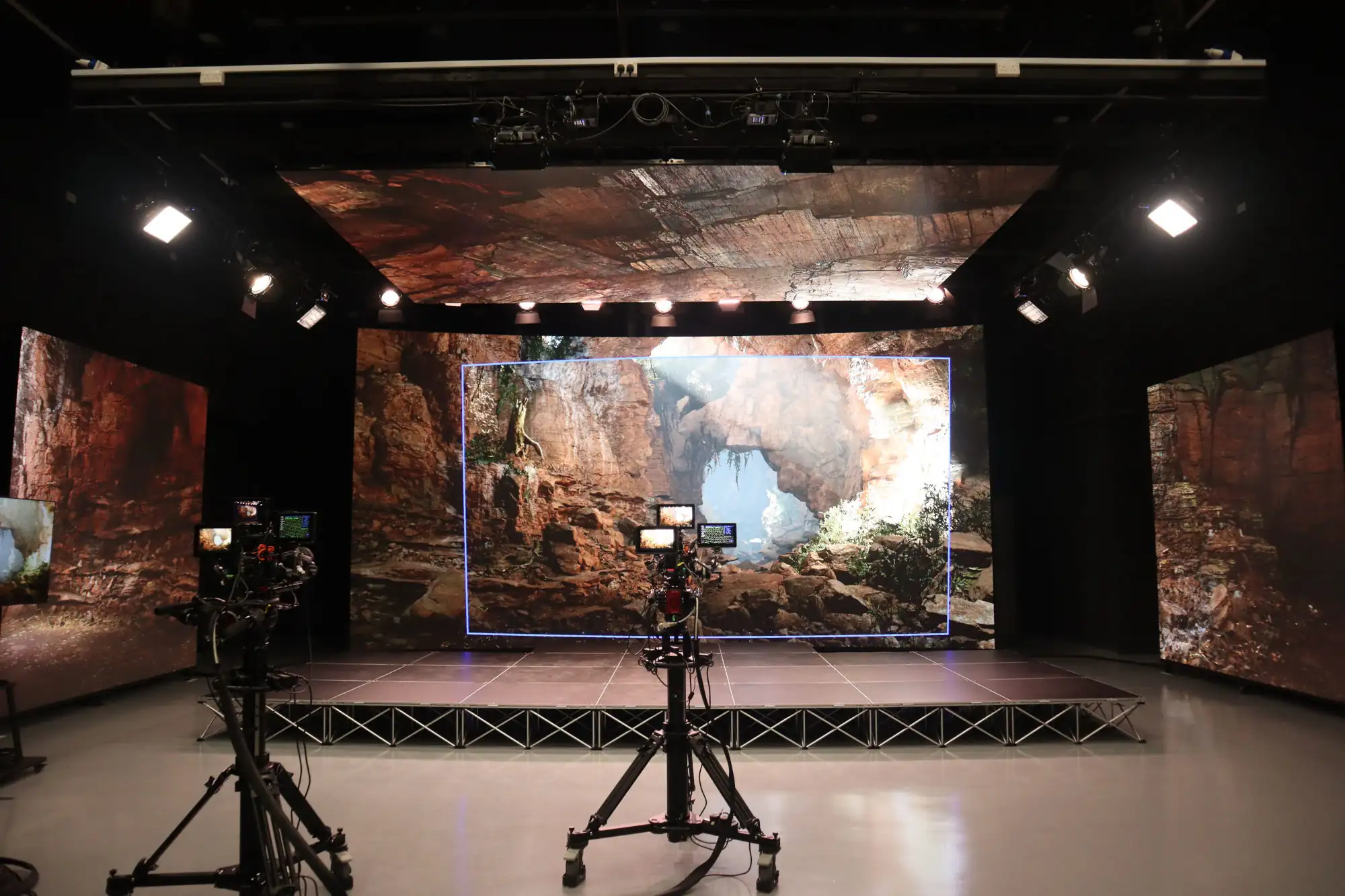
At the heart of the facility is a carefully designed LED volume engineered to deliver cinematic-grade output while remaining practical for daily academic use.
The system features an INFiLED GX2.6 main wall measuring 8m by 4m, complemented by ceiling and side walls using INFiLED AR3.9 panels. This dual pixel pitch strategy balances high-resolution capture for in-camera content with cost-effective peripheral coverage.
The extended LED volume—including a 6m by 4m ceiling and movable side walls—enhances environmental realism, enabling natural lighting, reflections, and immersive backgrounds. High brightness levels and wide colour gamut support HDR workflows, ensuring accurate colour reproduction for film and broadcast applications.
To meet the demands of content production that enable storytelling of brands and public relations messaging, the system is also built with future-ready architecture, supporting XR workflows, multi-camera setups, and scalable expansion.
A Fully Integrated Virtual Production Ecosystem
Beyond the displays, the studio operates as a synchronised, real-time production pipeline.
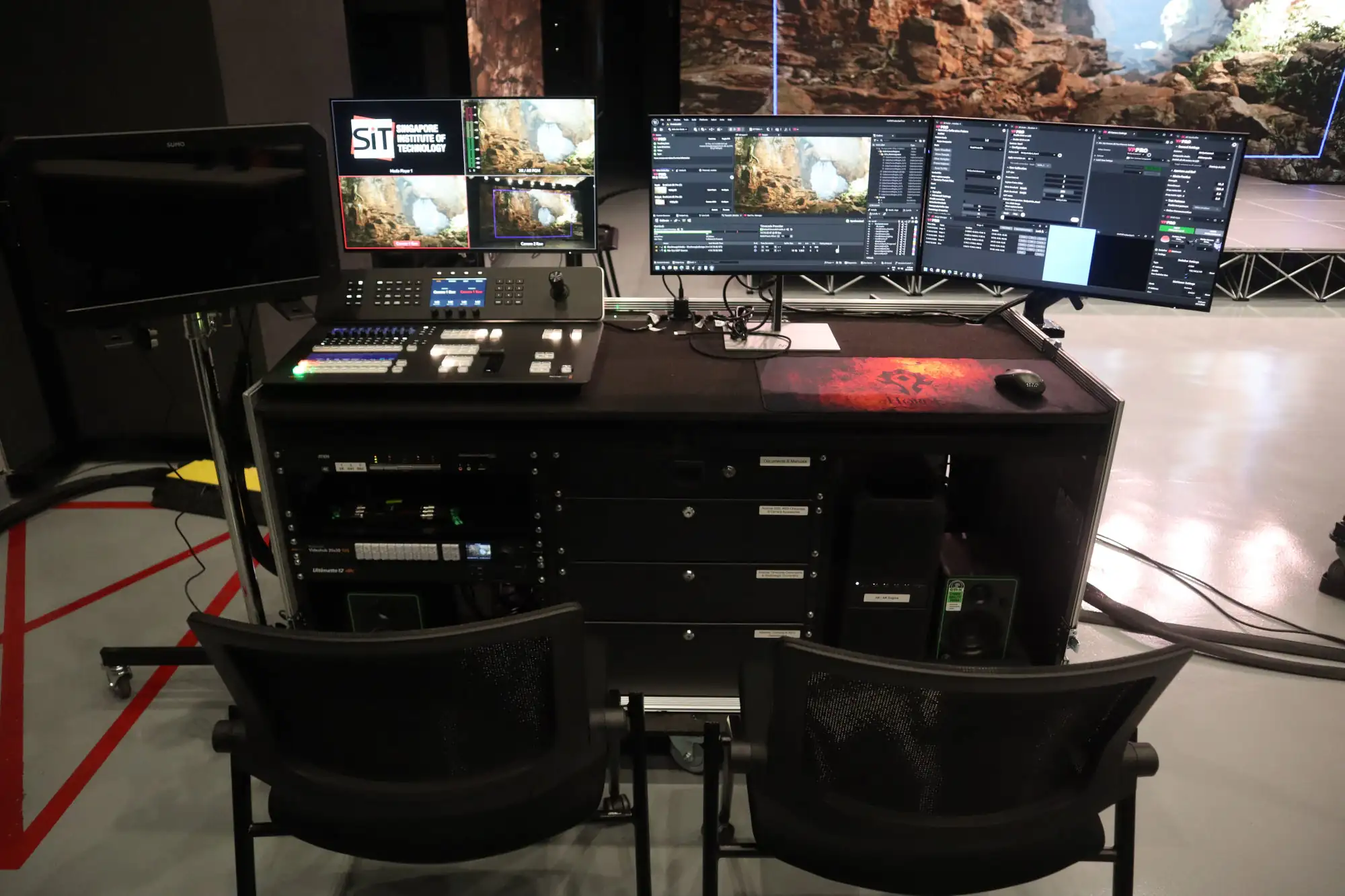
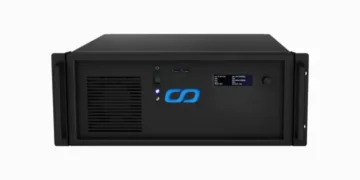
A RED Komodo-X system, genlocked to the LED walls, ensures frame-accurate capture, while the Mo-Sys StarTracker Max provides precise positional tracking across the studio. Real-time rendering is powered by Unreal Engine, integrated through Mo-Sys VP Pro XR.
Lighting is handled by a NANLITE professional system with DMX control, synchronised with virtual environments, while a full studio audio setup completes the production pipeline.
The result is a seamless workflow where camera, tracking, lighting, and LED content operate in perfect synchronisation that mirrors real-world production environments.
Balancing Performance with Accessibility
While the studio delivers high-end cinematic output, equal emphasis has been placed on usability, which is critical in an academic setting.
Pre-built virtual production scenes, simplified control layers, and structured training modules ensure that students can quickly engage with the technology. From guided exercises to advanced workflows, the system supports learners at different levels while enabling rapid setup and reset between classes.
“SIT students are first grounded in storytelling, audience strategy, and analytics before layering in VP as a production option,” noted Mun Wai. “It’s not treated as a novelty, but as an integral part of a comprehensive business plan to achieve strategic objectives.”
Transforming Learning Through Real-World Workflows
The VP studio is deeply embedded within SIT’s Bachelor of Business in Communication and Digital Media programme, particularly in modules such as Innovative Digital Media Production and Digital Marketing and Advertising.
Students are introduced to LED-stage fundamentals, real-time environments, and on-set collaboration through hands-on projects. More importantly, they learn to critically examine the content creation process in the context of a business project, developing the most optimal end-to-end workflows to exploit the capabilities that virtual production and other emerging technologies bring.
“Students begin to plan business campaigns and stories with virtual production in mind—treating environments, talent, and motion as one integrated canvas,” Mun Wai explained. “They also develop practical skills in set planning, camera coordination, and rapid iteration, which are directly transferable to industry roles.”
The facility also supports lifelong learning, enabling adult learners to upskill in VP workflows and AI-enhanced production techniques.
Collaboration at the Core
The VP Studio project was delivered through close collaboration between SIT and industry partners, including display solutions provider AUO Display Plus Singapore, system integrators Cgangs International and Broadcast Professional, alongside technology providers such as INFiLED, RED Digital Cinema, and Mo-Sys Engineering.
This collaborative approach ensured that the facility not only meets academic requirements but also aligns with professional production standards.
Redefining the Classroom Experience
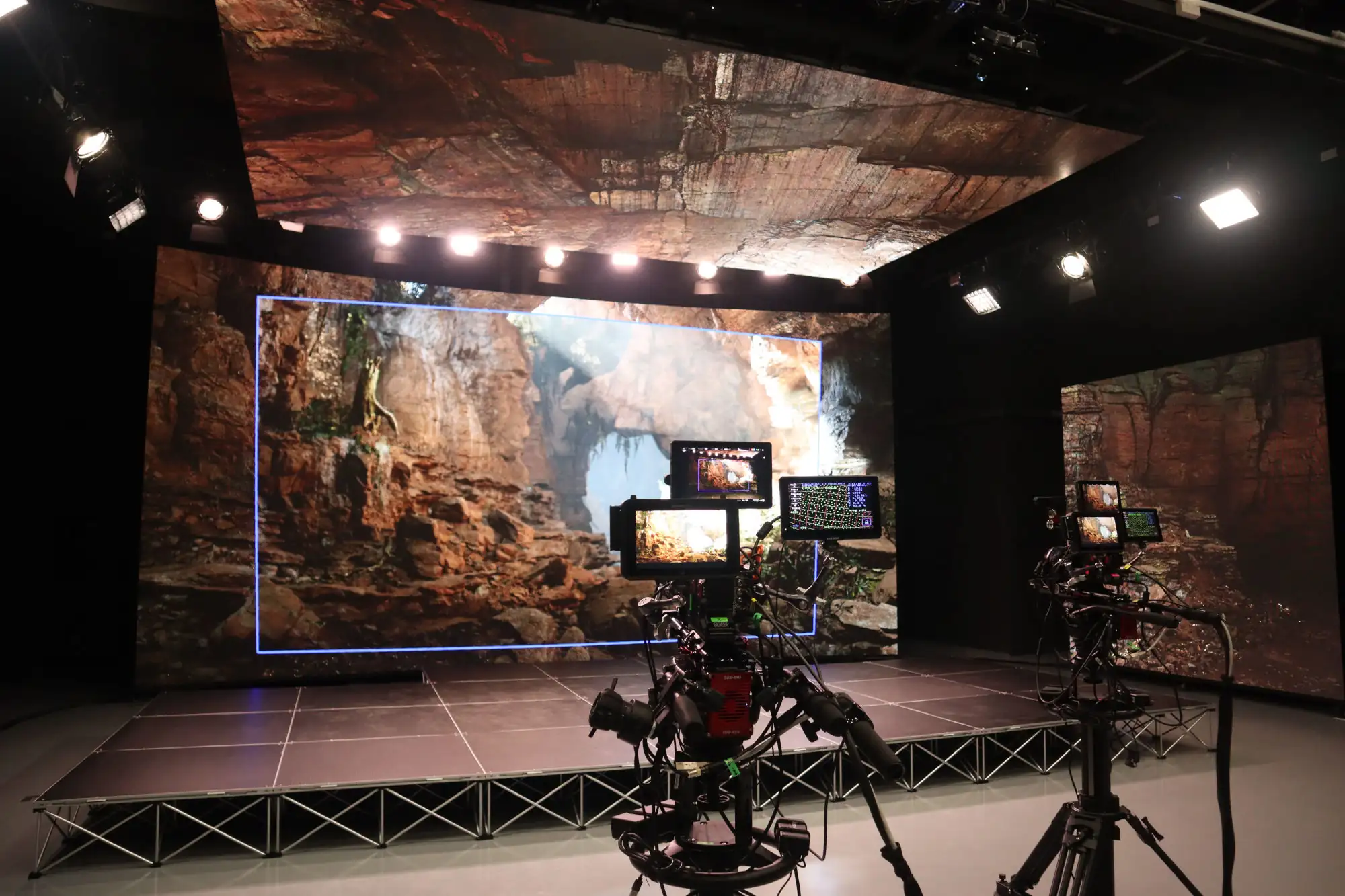
The introduction of the VP studio is already reshaping how teaching and collaboration take place on campus.
“Classes that were once confined to traditional studios can now be run as stage-based labs,” says Mun Wai. “Students work side by side in roles such as director, Director of Photography, editor, and VFX, mirroring the interdisciplinary teams they’ll encounter in the industry.”
This shift fosters deeper collaboration and allows abstract creative concepts to become tangible, as students see their ideas come to life instantly on the LED wall.
Measuring Success and Looking Ahead
With its first VP-focused classes set to begin in August 2026, students will be trained in the current VP workflow processes and create digital content that are aligned with industry requirements. The created content will form part of the student’s portfolio.
“Looking ahead, virtual production will evolve from a specialist capability into a platform that students across communication, marketing, design, and business will likely engage with,” Mun Wai concludes. “As AI and real-time tools lower barriers, SIT students need to imagine new ways of harnessing such technologies to do more with less to achieve impactful storytelling, engaging brand experiences, and content creation that resonates.”
Echoing this forward-looking vision with a perspective grounded in execution, Janet Lam of AUO Display Plus added, “The most fulfilling aspect was seeing a complex, first-of-its-kind system come together in a way that genuinely supports teaching and learning. Close collaboration with SIT and our technology partners allowed us to translate academic requirements into a practical, industry-aligned facility, and successfully handing over a studio that faculty and students can confidently use from day one was especially rewarding.”
By combining cutting-edge technology with applied education, SIT’s virtual production studio sets a new benchmark where students don’t just learn about the future of media, but actively create it.